Blogs

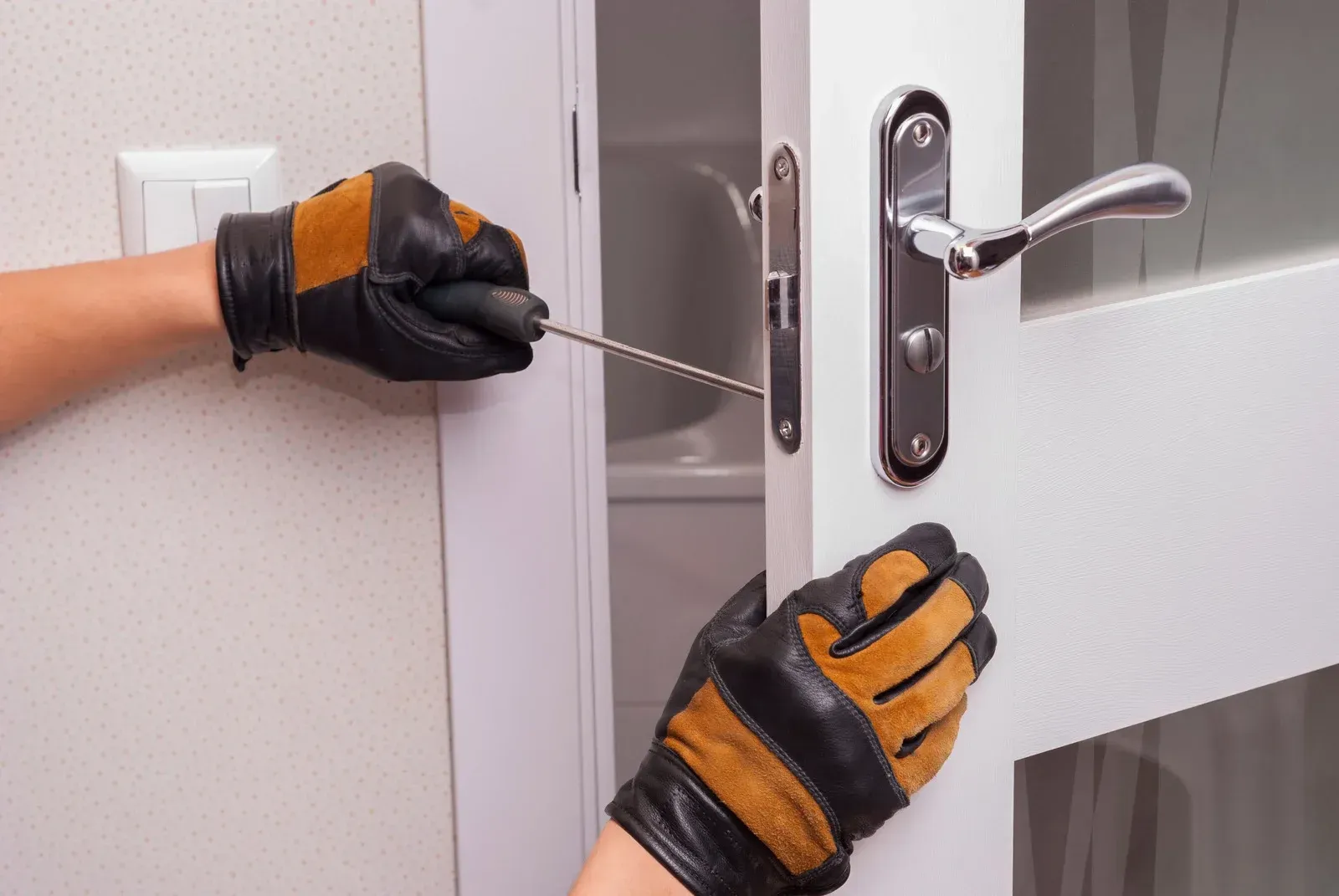
Most people only ever call a locksmith when something has gone wrong. A key has snapped off, the front door won't unlock, the lock is jammed, or the keys are sitting on the kitchen bench while you're standing on the wrong side of the door. By the time the locksmith pulls up in front of your house, you've usually had enough of the situation already. What often makes it harder is not knowing what's about to happen. People imagine drilling, damaged doors, expensive surprises, and an hour of awkward conversation while a stranger works on their front entry. The reality, when it's done properly, is a lot more straightforward than that. A licensed locksmith follows a fairly consistent process from arrival through to handover, and most of it is designed to keep your property intact and your security genuinely restored. This guide walks through what to expect when a locksmith turns up at your Melbourne home or business, step by step, so the next time you're standing on a footpath waiting for one to arrive, you've got a clear sense of how the next 30 to 90 minutes will unfold.

There are very few experiences that shake a household the way a break-in does. The violation of a private space, the loss of valuables, the awareness that someone unknown was inside the home, all of it lingers far longer than the actual incident. And in the hours and days that follow, most people aren't thinking clearly enough to make confident decisions about what to do next. The shock takes precedence, and important steps either get rushed or forgotten entirely. This guide is written for that exact moment. It's not a security marketing piece dressed up as advice. It's a practical, ordered walkthrough of what to actually do after a break-in at your Melbourne home, in the right sequence, so the recovery is as thorough as the situation deserves. The first 48 hours matter, and the steps you take in that window shape both the police investigation and the long-term security of your property.

Locks are one of those things most homeowners only think about when they stop working. They sit in the door, get used dozens of times a day, weather every season Melbourne throws at them, and quietly do their job for years. Until one day they don't. The key starts catching, the deadbolt becomes stiff, the handle feels loose, or something inside the cylinder gives up entirely. The question that follows is usually the same. Is this a maintenance issue, or is the lock simply at the end of its life? Should we replace it, or is there a fix that buys another five years? And if we are going to replace it, is now the right time, or are we jumping the gun? There's no single answer because lock lifespan depends on a combination of factors, the quality of the original hardware, how it's been maintained, how exposed it is to the elements, how heavily the door gets used, and what brand and grade we're actually talking about. But there are clear patterns worth understanding, and clear signals that tip the decision one way or the other. This guide walks through how long residential locks typically last in Melbourne conditions, what affects that lifespan, and how to read the signs that point to maintenance versus replacement.

Anyone who's managed multiple properties for any length of time eventually runs into the same problem: keys. Keys for the front doors, keys for the rear entries, keys for storage areas, keys for common spaces, keys for individual units, keys held by tradespeople, keys held by cleaners, keys held by current tenants, keys that should have been returned by previous tenants but maybe weren't. The keyring grows. The labelling gets inconsistent. And the question of who can access what becomes harder to answer with confidence. Master key systems exist to solve exactly this problem, and they've been the standard solution in commercial and multi-property residential settings for decades. Done well, a master key system gives a landlord or property manager controlled, hierarchical access across an entire portfolio while still giving each tenant their own private key for their own unit. Done poorly, it introduces complexity that creates more problems than it solves. This guide walks through how master key systems actually work, when they make sense for Melbourne landlords and property managers, what to consider before setting one up, and the practical realities of running one over time.

Cutting a spare key feels like one of the most ordinary errands a person can run. You walk into a hardware store or a key cutting kiosk, hand over the original, wait three minutes, pay a few dollars, and walk out with a duplicate. Most people don't give it a second thought, because for most keys, there's nothing to think about. But not all keys are equal, and not every duplication request is as straightforward as it looks. Some keys are designed specifically to resist unauthorised copying, for good reason. Others are easy to copy but probably shouldn't be without some consideration of who's getting the duplicate and why. And the gap between a routine duplication and a genuine security risk often comes down to details most people don't realise exist. This guide walks through how key duplication actually works in Melbourne, when it's perfectly safe, when it's worth pausing to think, and when a different approach is the smarter choice.

There's a particular window of vulnerability that opens the moment you leave home for an extended period. The bins don't get moved. The mail starts to stack up. The lights stay off at the same hours every night. To anyone paying attention, an unoccupied home eventually starts to look like one. And in Melbourne's residential suburbs, where houses sit close together, and routines are easy to observe, a home that's been empty for a week or two is not as invisible as most people assume when they head off on holiday. This isn't about creating anxiety around taking a break. It's about the reality that most home security failures during holiday periods are not the result of sophisticated planning by experienced criminals — they're the result of ordinary oversights that make a home look like an easy target. Most of those oversights are preventable with a bit of preparation before you leave. This guide covers the practical steps Melbourne homeowners should take before going away, starting with the locks and working outward.

Smart locks have been around long enough now that they've moved from novelty to mainstream consideration. Walk through any display at a Melbourne hardware store, and you'll find keypad locks, Bluetooth-enabled deadbolts, and app-controlled entry systems sitting alongside traditional mechanical locks at increasingly accessible price points. The marketing is confident — convenience, control, and modern security all in one device. But the questions homeowners actually ask when a locksmith turns up are more nuanced than the packaging suggests. Is a smart lock actually more secure than a quality mechanical lock? What happens when the battery dies, or the Wi-Fi drops out? Are they worth the price premium for a typical Melbourne home? And what does a locksmith — someone who works with locks every day and gets called when things go wrong — actually think about them? This is that honest take.

Locks and rental properties have always been a complicated combination. Tenants want to feel secure in a home they're paying for. Landlords want to maintain appropriate access to a property they own. And somewhere between those two positions sits a set of questions that come up constantly — who can change the locks, who has to pay for it, what happens when a tenancy ends, and what the rules actually are when the situation isn't straightforward. This guide covers the practical and legal side of lock changes in Melbourne rental properties, written for both landlords and tenants so that each party understands where they stand and what they're entitled to.

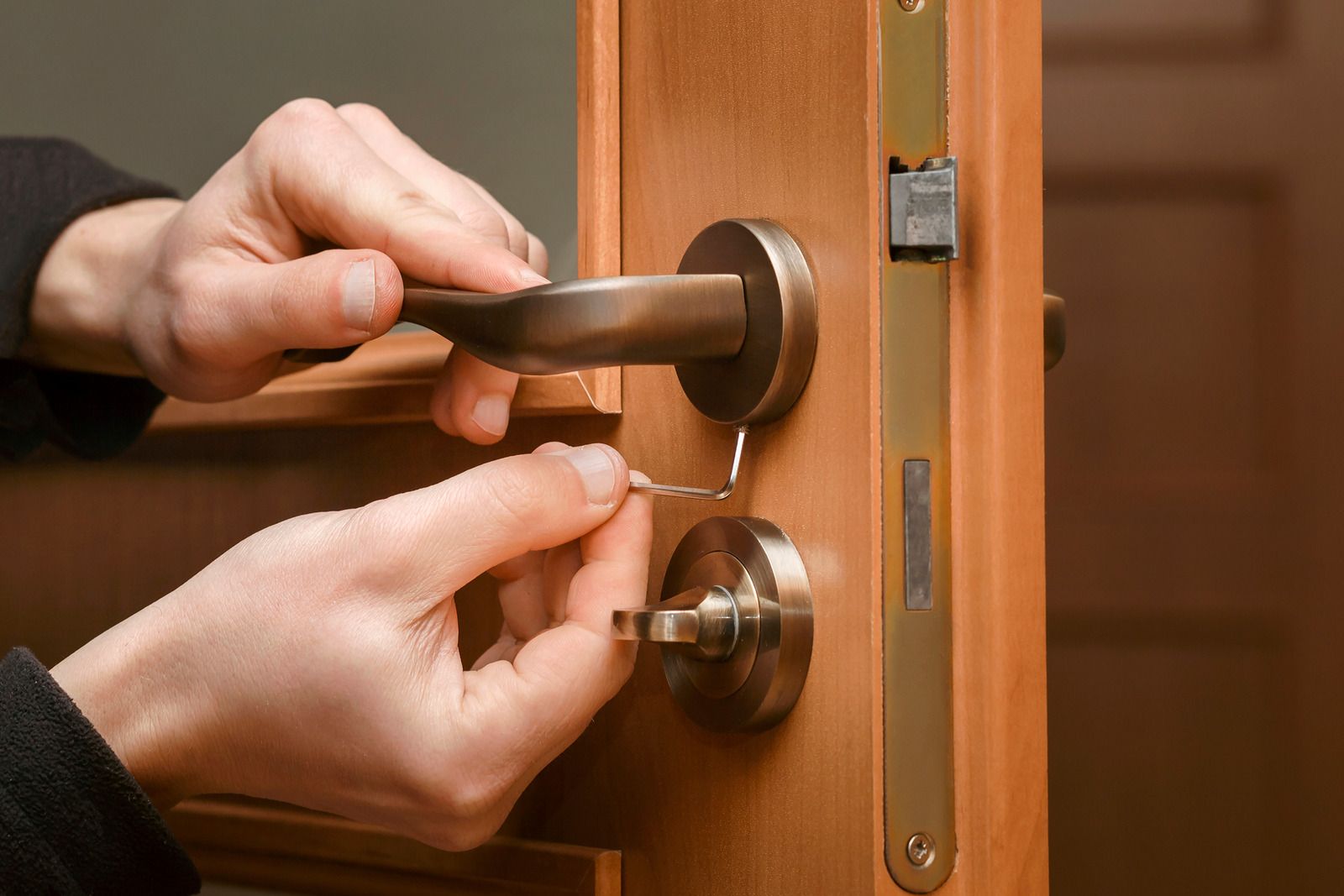
There's a particular kind of frustration that comes with a key that won't turn. You're standing at your front door, groceries in hand or running late for work, and the key goes in but won't budge. You try again. You wiggle it. You pull it out slightly and try once more. Nothing. It's one of those problems that feels like it should have an obvious fix but often doesn't — and the wrong approach in the first few minutes can turn a minor issue into a damaged lock or a broken key. This guide covers the most common reasons a key won't turn in a lock, what you can safely try yourself, and when the situation calls for a locksmith.

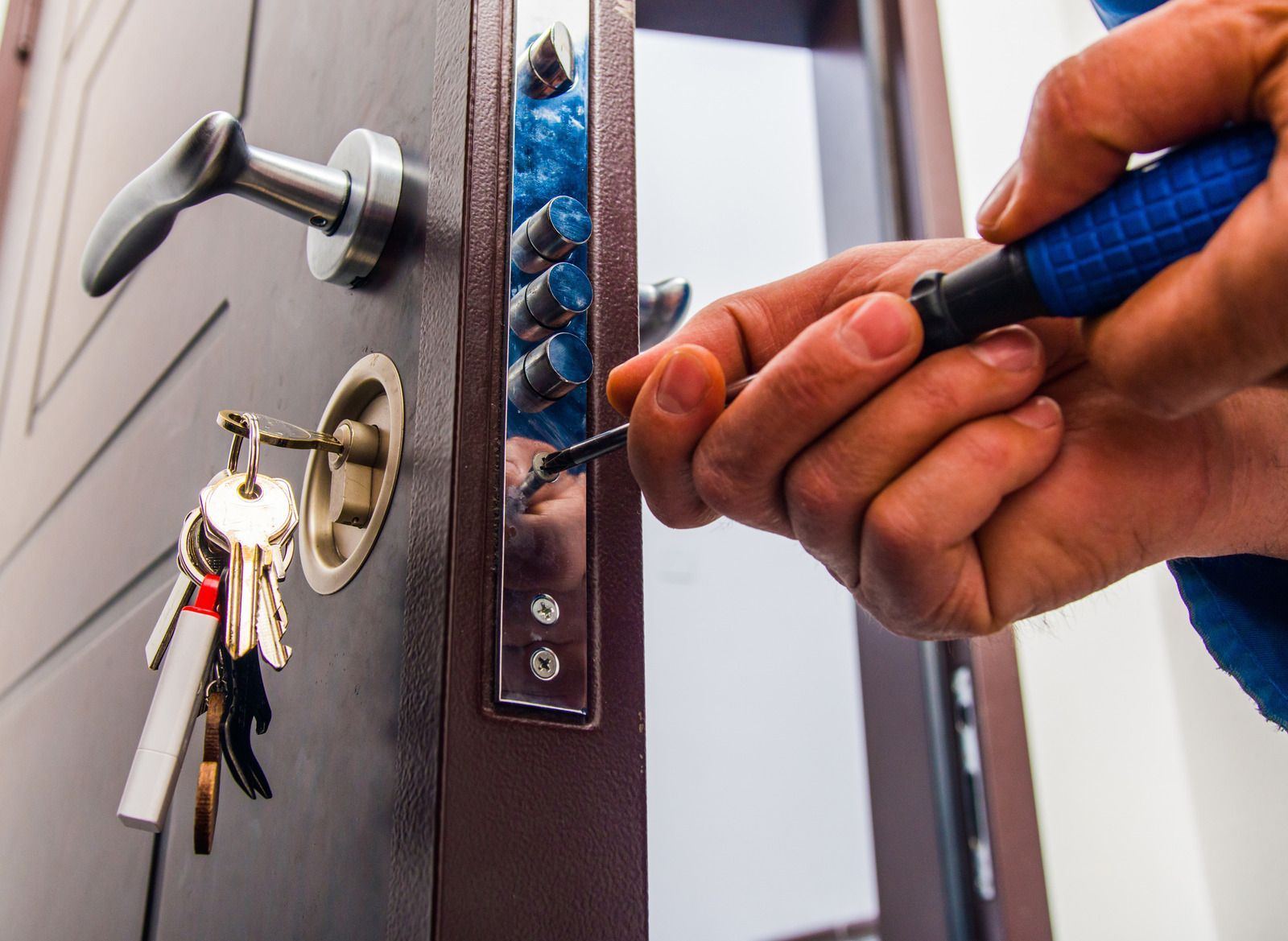
Choosing a lock for your front door sounds straightforward until you're standing in the hardware aisle looking at twenty different options with no real way to tell which ones are worth buying and which ones will fail when it actually matters. The front door is the primary entry point to your home, and the lock on it is your first line of defence. Getting that choice right is worth more than most people realise. This guide walks through what to look for when choosing a front door lock, the different types available, what the grades and ratings actually mean, and when it makes sense to call a locksmith rather than going it alone.